
The Colloseum
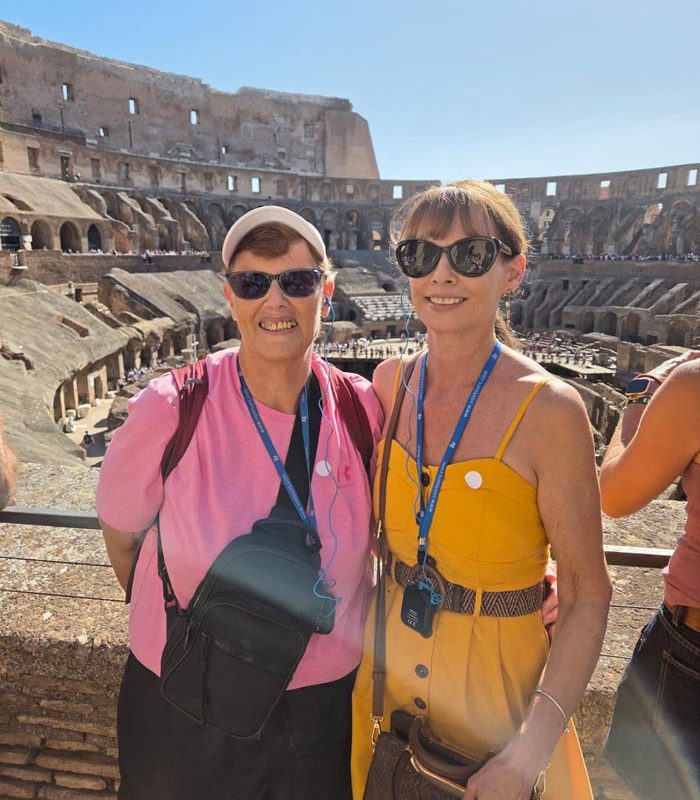
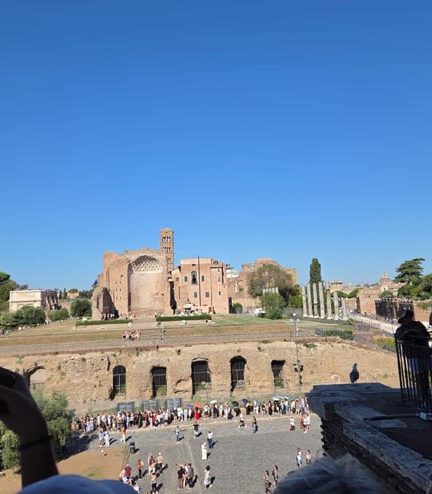
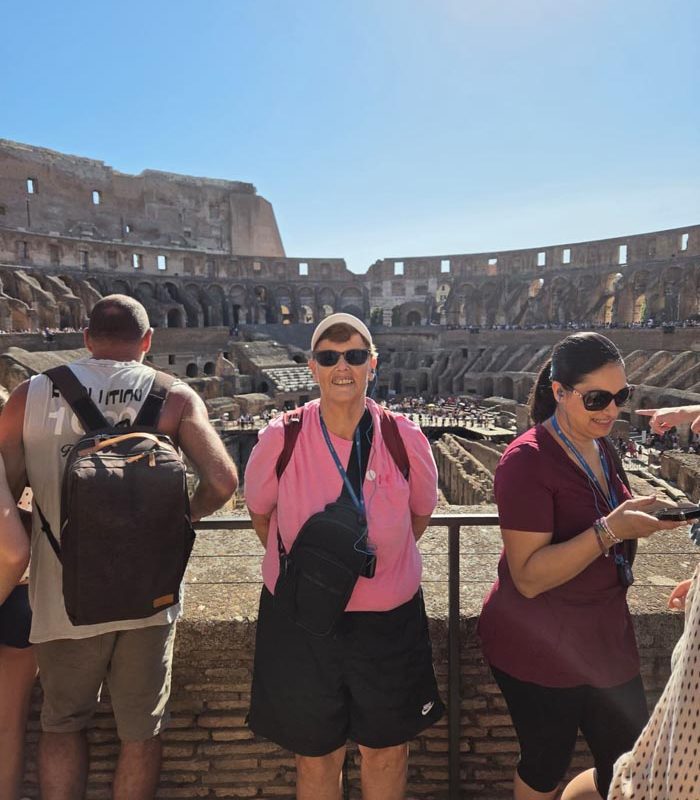
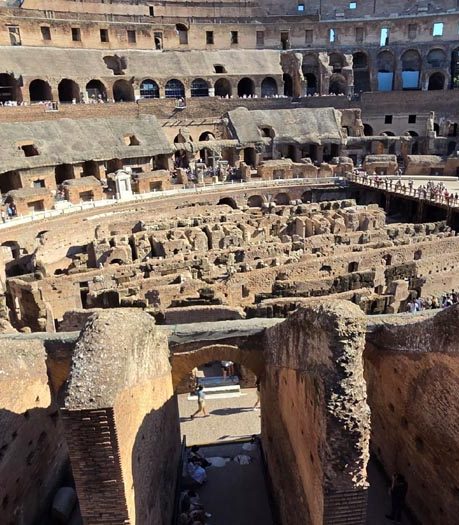
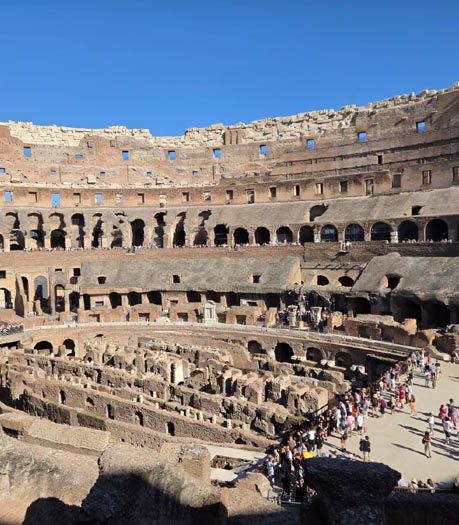
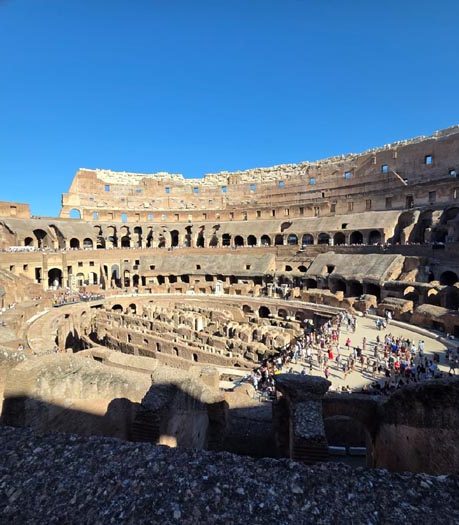
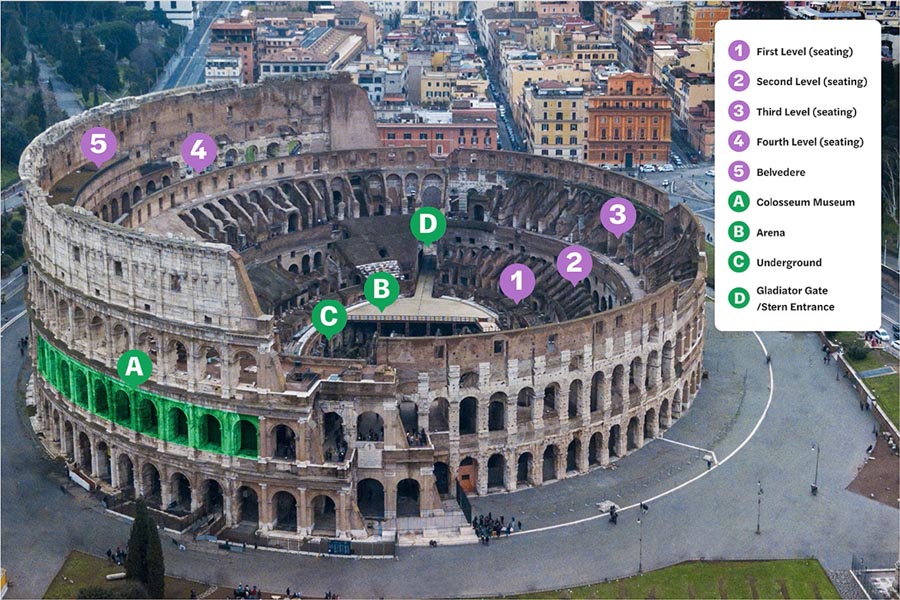
The Colosseum is an elliptical amphitheatre in the centre of the city of Rome, Italy, just east of the Roman Forum. It is the largest ancient amphitheatre ever built, and is the largest standing amphitheatre in the world. It could hold between 60,000 to 80,000 spectators.
The Colosseum in Rome is most famous for hosting brutal gladiatorial contests, wild animal hunts, and large public spectacles in ancient times.
It had a retractable awning, known as the velarium, that kept the sun and rain off spectators. This consisted of a canvas-covered, net-like structure made of ropes, with a hole in the center. It covered two-thirds of the arena, and sloped down towards the center to catch the wind and provide a breeze for the audience.
Core Claims to Fame
- Gladiatorial Combat: Enslaved people, prisoners of war, and condemned criminals fought to the death for public entertainment.
- Public Spectacles: It hosted mock sea battles, theatrical plays, and executions involving wild beasts.
- Architectural Size: As the largest ancient amphitheater ever built, it held between 50,000 and 80,000 spectators.
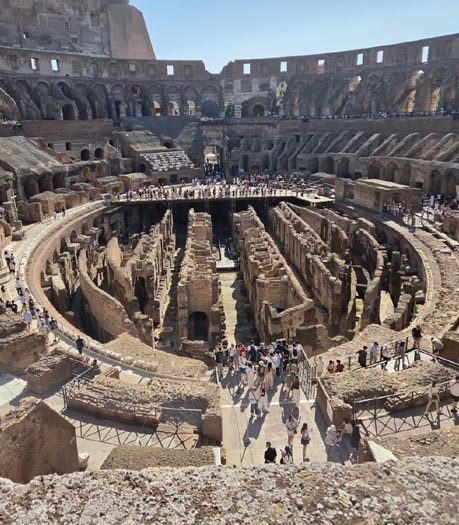
- Engineering Marvel: Built by the Flavian Dynasty between 70–80 AD, it featured 80 entrances, a complex underground tunnel network (hypogeum), and a giant retractable cloth awning (velarium) to block the sun.
- Modern Landmark: It is recognized globally as an enduring symbol of Imperial Rome and one of the New Seven Wonders of the World.
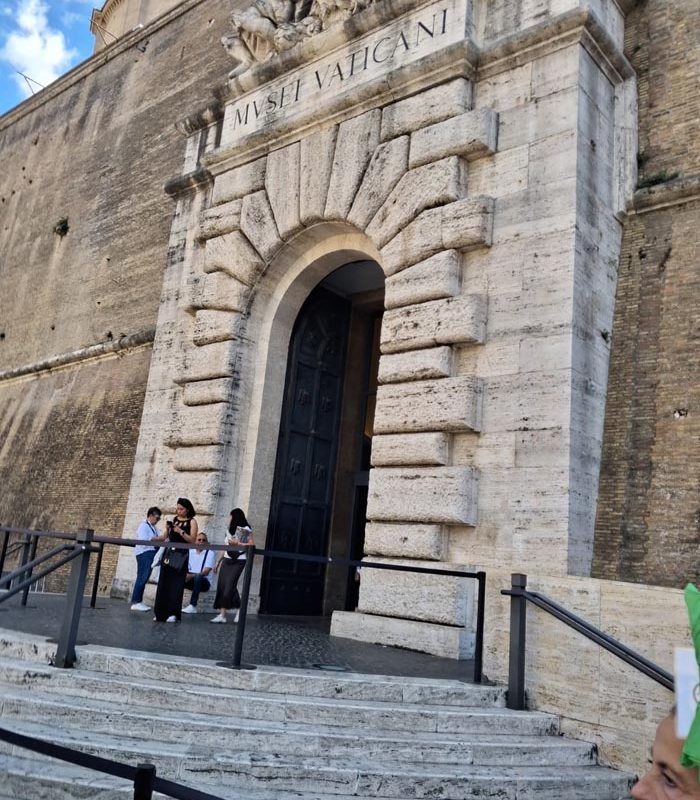
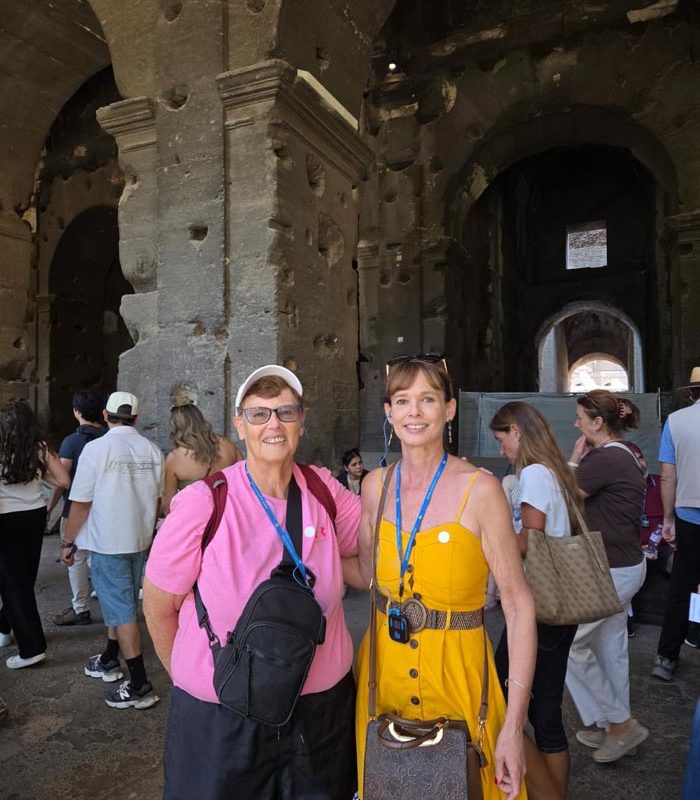
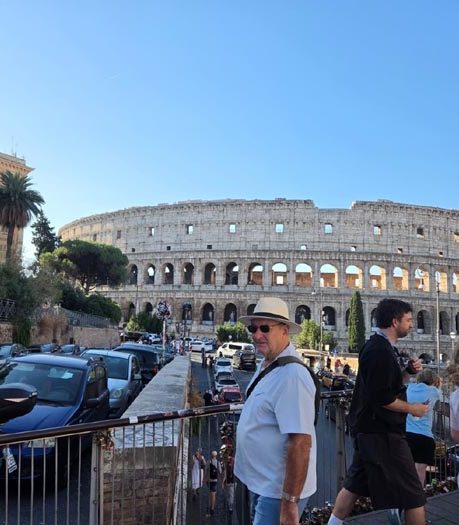
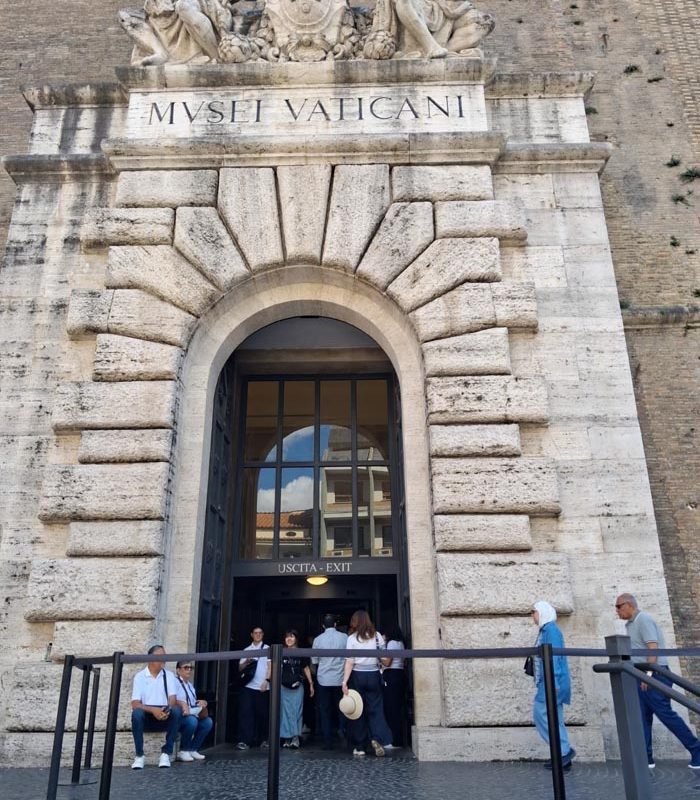 One of the 80 entrances